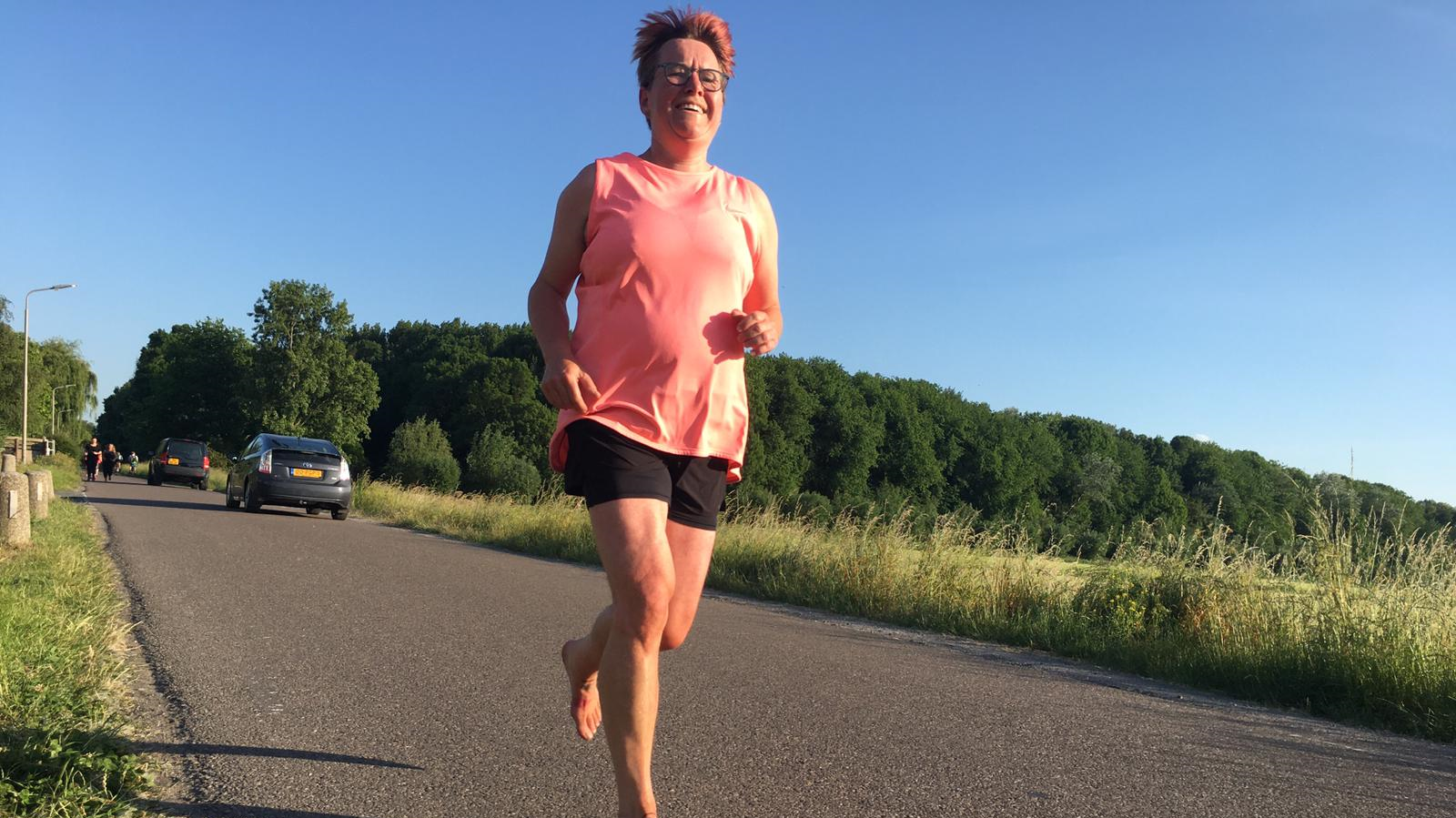
In essence, slow running brings about a sense of happiness. The motion is gentle enough to alleviate stress while still being vigorous enough to trigger the release of happiness-inducing hormones.
What Sets Walking and Running Apart from Other Sports?
Walking and running movements engage distinct parts of the brain compared to other forms of physical activity. These motions primarily involve the motor cortex and cerebellum.
The motor cortex, situated in the frontal lobe, plays a crucial role in initiating, planning, and executing voluntary movements.
The cerebellum, located at the brain’s rear, contributes to the coordination, precision, and timing of movements.
Other sports also engage the cortex and cerebellum, but they additionally involve the parietal lobe and basal ganglia, which play a larger role in stress responses. Consequently, these activities elicit a stronger stress response than simple walking or running.
The parietal lobe processes sensory information and contributes to the perception and interpretation of stressful situations. It affects the autonomic nervous system’s response to stress, influencing sympathetic and parasympathetic activity.
The basal ganglia help moderate the autonomic nervous system, dampening excessive stress responses and promoting relaxation and recovery.
Is there a Distinction Between Running and Running Slowly?
Certain neurotransmitters, such as serotonin and glutamate, are produced during gentle physical activities like slow running. These are either not produced or are produced in smaller quantities during intense physical activities.
Serotonin, a neurotransmitter linked to mood and well-being, is increased by both walking and running, particularly moderate-intensity exercise.
Glutamate, an excitatory neurotransmitter associated with alertness and cognitive function, is boosted by moderate exercise, enhancing focus and alertness.
What About Gentle Running and Walking?
Engaging in more intense exercise releases “happiness hormones” such as dopamine and endorphins. Gentle running results in higher production of these substances compared to walking.
Dopamine, a neurotransmitter related to reward and motivation, is increased by both activities, but running has a more pronounced effect.
Similarly, endorphins, neurotransmitters known for their pain-relieving and mood-enhancing properties, are stimulated by both walking and running, with running typically having a stronger impact.
Vigorous exercise, like running, can lead to a state of euphoria known as a “runner’s high.”
The Health Benefits of Physical Activity
All forms of physical activity induce the release of hormones that enhance well-being. This underscores the overall positive impact of sports. Favorable outcomes associated with easy running do not negate the value of other sports. Preferences should guide activity choices.
In addition to the aforementioned benefits, exercise triggers the production of hormones that promote relaxation, alertness, and convenience.
GABA (gamma-aminobutyric acid), a neurotransmitter that regulates irritability and reduces anxiety, is increased through exercise, aiding stress reduction.
Norepinephrine, a neurotransmitter affecting attention, alertness, and mood, is stimulated by exercise, improving well-being.
Acetylcholine, a neurotransmitter related to muscle function, is also elevated, improving coordination and strength.
Running Solo or in a Group?
Exercising in a supportive group with positive interactions reduces stress.
Apart from dopamine production, running in a group also triggers oxytocin release. Oxytocin, often called the “cuddle hormone,” fosters social bonding, trust, and empathy, counteracting stress.
The Benefits of Running at a Low Heart Rate
Given this comprehensive perspective, gentle running offers greater relief from symptoms of depression and anxiety compared to other forms of exercise and possibly even medication. Additionally, it lacks the adverse effects associated with medication.
Smooth running reduces injury risks, benefits the cardiovascular system, and stabilizes disrupted sleep and eating patterns common in psychological conditions. The positive effects stem from both the movement itself and exposure to the outdoors, which enhances melatonin production.
Understanding Stress Systems
The Autonomous Nervous System: This system governs short-term stress responses. In moments of danger, “adrenaline” is released, activating the sympathetic system and resulting in heightened heart rate, constricted blood vessels, open airways, and increased alertness.
The autistic meltdown arises from this stress response, and sports help regulate it.
The HPA Axis: This long-term stress system leads to cortisol production, affecting blood sugar levels, blood pressure, and the immune system. Prolonged stress impacts muscles, sleep, and cognitive functions. Exercise helps balance the HPA axis.
Running therapy for neurodivergent individuals
Neurodivergent individuals often contend with multiple comorbidities, necessitating accessible lifestyle interventions.
Running therapy offers improvements in executive functions, eating and sleeping patterns (via melatonin regulation), and autonomic nervous system sensitivity.
Running’s repetitive nature appeals to those with autism, catering to different sensory needs.
Peer contact in a group setting bolsters empathy and self-confidence.
The predictable nature of running, especially when maintaining a structured routine, fosters security and predictability.